Natural Perfume Academy Main Glossary
Welcome to the Natural Perfumery Glossary
The Natural Perfumery Glossary is a comprehensive public resource designed for all natural perfumers, whether you're a seasoned professional or just beginning your journey. This glossary serves as an educational tool, offering detailed definitions and insights into a wide range of natural perfume materials and terms.
Our entries cover various aspects crucial to the art and science of natural perfumery, including:
- Description and Characteristics: Detailed profiles of natural ingredients, including their origins, extraction methods, and unique olfactory qualities.
- Blending Suggestions: Insights into what other materials a particular ingredient pairs well with, helping you create harmonious and well-rounded compositions.
- Usage and Applications: Practical advice on how to incorporate each ingredient into your perfume creations.
- Safety and Regulatory Issues: Important information on the safe use of materials, including any relevant regulatory considerations.
At the Natural Perfume Academy, we are committed to fostering a deep understanding of natural perfumery through education and certification. Our glossary is a testament to this commitment, providing a valuable reference to support your ongoing learning and mastery of natural perfume making. Explore the glossary to enhance your knowledge and craft exquisite, all-natural fragrances with confidence.
Special | A | B | C | D | E | F | G | H | I | J | K | L | M | N | O | P | Q | R | S | T | U | V | W | X | Y | Z | ALL
A |
|---|
AccordTitle: AccordDescription: An accord, often referred to in musical terms as a chord, is a combination of two or more essences that create a unique scent with its own character and distinctive fragrance. It represents the harmonization and balance within a blend of essences, achieving a cohesive and unified olfactory experience. Botanical Name: Not applicable, as an accord refers to a blend of multiple essences. Uses: Accords are foundational in perfumery, used to build the complexity and depth of a fragrance. They form the heart of perfumes, ensuring that different notes blend seamlessly and complement each other. Goes Well With: Accords can be tailored to suit various fragrance families, such as floral, oriental, woody, or fresh. They can be blended with single notes or other accords to enhance and elevate the overall scent profile. | ||
AdulterationTitle: Adulteration Description: Adulteration refers to the practice of intentionally degrading the quality of an essential oil or other perfume material in order to deceive buyers and secure a sale. This often involves the addition of cheaper or synthetic substances that compromise the purity and integrity of the product, contrary to what is indicated on the label. Relevant Context:Adulteration is a significant concern in the perfume and essential oil industry as it can mislead consumers, diminish the effectiveness of the product, and potentially introduce harmful substances. Uses: Understanding and identifying adulteration is crucial for ensuring the quality and authenticity of essential oils and perfume materials. It is important for consumers, perfumers, and suppliers to be vigilant and knowledgeable about the sources and composition of their materials. Common Methods of Adulteration: Examples include dilution with carrier oils, addition of synthetic compounds, and mixing with cheaper essential oils. | |
Agar oil
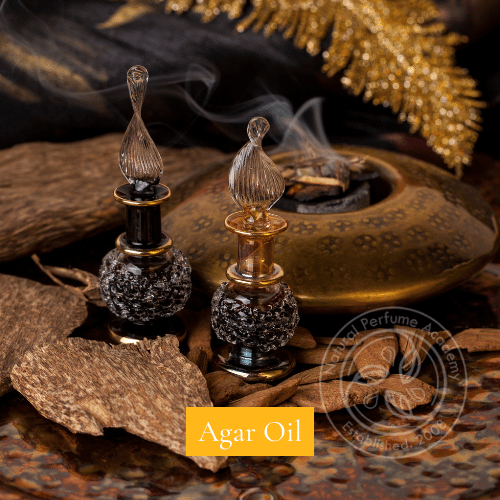
Title:Agar Oil Botanical Name: Aquilaria agallocha Description: Agar oil, also known as oud oil, is extracted through water distillation from the fungus-infected wood of the Aquilaria agallocha tree. This tree is primarily found in northeastern India, but it is also native to China and Vietnam. The oil is highly valued in perfumery for its deep, complex, and long-lasting fragrance. Uses: Agar oil is used in high-end perfumes and traditional incense. It is prized for its rich, woody, and sweet aroma, which adds depth and character to fragrance compositions. Goes Well With: Agar oil blends well with sandalwood, rose, and other precious woods and floral oils, enhancing the overall complexity and richness of the scent. Regions: Northeastern India, China, Vietnam Extraction Method: Water distillation from fungus-infected wood Unique Characteristics: The infection of the wood by fungi creates a resin that gives agar oil its distinctive and highly sought-after fragrance. | |
Agleia OdorataTitle: Aglaia Odorata Botanical Name: Aglaia odorata Description: Aglaia odorata is an essential oil distilled from the seeds of the Aglaia tree, which thrives in India, Indonesia, and China. This tree is renowned for its fragrant flowers, which are traditionally used to scent tea. The essential oil derived from Aglaia odorata is cherished for its sweet and floral aroma, making it a unique addition to natural perfumery. Uses: Aglaia odorata essential oil is utilized in perfumery for its delicate, sweet, and floral fragrance. Additionally, the flowers of this tree are commonly used to infuse tea with a pleasant scent. Goes Well With: Aglaia odorata pairs well with other floral oils such as jasmine and rose, as well as citrus oils like bergamot and lemon, creating harmonious and balanced fragrance compositions. Regions:India, Indonesia, China Extraction Method: Distillation from the seeds Unique Characteristics:** The oil's sweet and floral scent, combined with its cultural use in tea, makes it a distinctive and versatile ingredient in both perfumery and culinary applications. | |
Ajowan
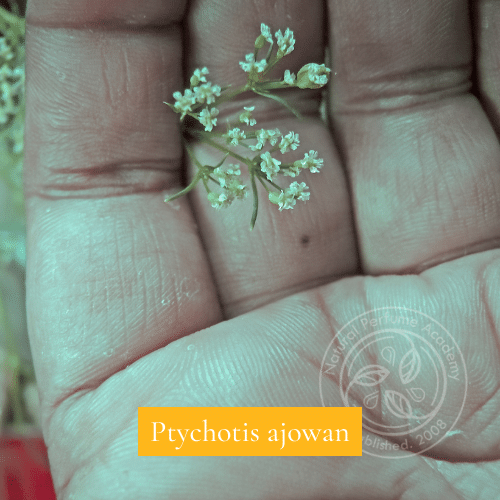
Title: Ajowan Botanical Name: Ptychotis ajowan (syn. Carum ajowan, Carum copticum) Description: Ajowan oil is steam distilled from the fruits, seeds, and sometimes the entire plant of Ptychotis ajowan. This plant, also known as Carum ajowan or Carum copticum, is native to India and the West Indies. Ajowan oil is recognized for its potent and aromatic properties, commonly used in both perfumery and traditional medicine. Uses: Ajowan oil is primarily used for its strong, spicy aroma in natural perfumery. It is also valued in traditional medicine for its potential digestive and antimicrobial properties. Goes Well With: Ajowan oil blends well with other spicy oils such as clove, cumin, and thyme, as well as citrus oils like lemon and orange to create a balanced and invigorating scent profile. Regions: India, West Indies Extraction Method: Steam distillation from fruits, seeds, and whole plant Unique Characteristics: The oil's distinctive spicy aroma and its historical use in traditional medicine make Ajowan a valuable and multifaceted ingredient in both perfumery and therapeutic applications. | |
AlcoholTitle: Alcohol Description: In natural perfumery, alcohol serves as a perfume medium, diluent, solvent, or carrier for a perfume composition. Unlike conventional perfumery, natural perfumers prefer using 190 proof organic grape or grain alcohol, avoiding the use of denatured alcohols that contain chemicals. Uses: Alcohol is primarily used to dissolve and blend essential oils and other aromatic compounds, creating a uniform and stable perfume composition. It helps to carry and disperse the fragrance when applied to the skin. Preferred Types: Organic grape alcohol, Organic grain alcohol Characteristics: High proof (190 proof) alcohol ensures that the aromatic compounds are fully solubilized, providing a clear and consistent perfume solution. The organic nature of the alcohol ensures purity and compatibility with the principles of natural perfumery. Importance in Natural Perfumery: The use of organic alcohol aligns with the ethos of natural perfumery, emphasizing purity, natural ingredients, and the avoidance of synthetic chemicals. This commitment to natural ingredients helps in creating perfumes that are gentle on the skin and environmentally friendly. Goes Well With: Essential oils, absolutes, resins, and other natural aromatic compounds Note: Alcohol in natural perfumery is free from denaturing agents and synthetic additives, ensuring a pure and natural carrier for exquisite and authentic fragrances. | ||
Almond bitter unrectified
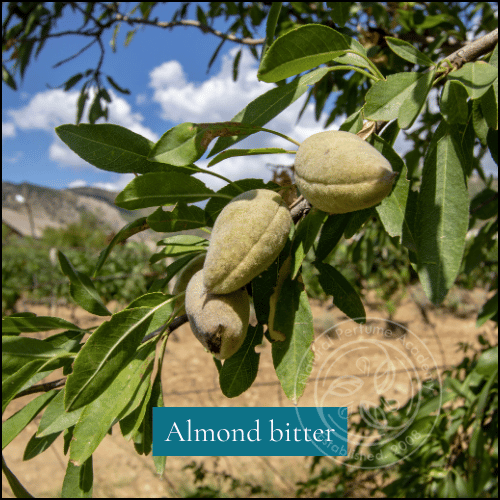
Title: Almond Bitter Unrectified Botanical Name: Prunus amygdalus var. amara Description: Almond Bitter Unrectified oil is derived from the kernels of the bitter almond tree (Prunus amygdalus var. amara). This essential oil contains amygdalin, which can release toxic hydrocyanic acid. Due to its toxicity, it is used with caution and typically at very low concentrations in perfumery. Uses in Perfumery: Historically noted for its potent and distinctive aroma, bitter almond unrectified oil is used sparingly in natural perfumery to add a unique scent profile. Its use is highly regulated due to its toxic components. Concentration: Typically used at concentrations no higher than 3.0000% in perfume formulations. Regulations: The use of bitter almond unrectified oil is subject to stringent safety regulations. In many regions, its use is restricted or prohibited due to the presence of hydrocyanic acid. It is essential to adhere to these regulations to ensure safety and compliance. Safety Note: This oil is toxic and should be handled with extreme care. It is not recommended for use in products that come into direct contact with the skin. Proper knowledge of handling and formulation is necessary to ensure safe usage. Importance in Natural Perfumery: While not commonly used due to its toxicity, almond bitter unrectified oil remains noteworthy for its historical and aromatic significance in natural perfumery. Modern perfumers often seek safer alternatives that replicate its unique scent profile without the associated risks. Goes Well With: Due to its toxicity, this oil is rarely blended with others in contemporary natural perfumery. Safer, non-toxic alternatives are preferred for creating similar aromatic notes. | ||
Amber
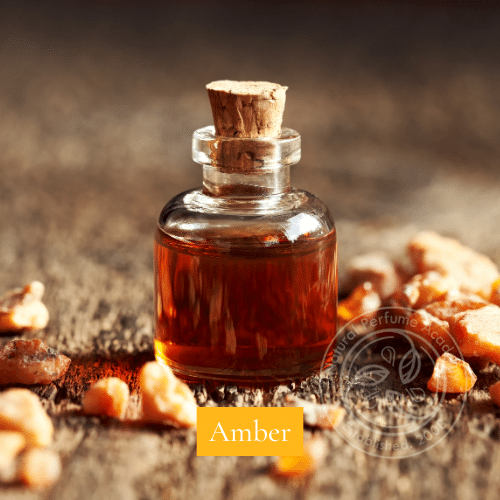
Title: Amber Description: In natural perfumery, the term "Amber" refers to a warm, powdery note in a perfume composition. Unlike what some might assume, amber in perfumery is not derived from fossilized tree resin. Instead, this evocative scent is typically created through the blending of various aromatic oils such as benzoin, labdanum, and vanilla. These ingredients combine to produce a rich, sweet, and resinous aroma that is highly prized in perfumery. Components: The amber note is usually obtained by combining: - Benzoin: Provides a sweet, vanilla-like scent with balsamic undertones. - Labdanum:Offers a deep, resinous, and slightly leathery aroma. - Vanilla:Adds a creamy, sweet note that enhances the overall warmth of the blend. Uses in Perfumery: Amber is a versatile and popular note used to add depth, warmth, and complexity to a wide range of fragrances. It is especially prominent in oriental, gourmand, and woody compositions. Common Misconception: It is a common misconception that amber used in perfumery is derived from amber fossilized resin. In reality, the fossilized resin, often referred to as amber, is not used in perfumery due to its lack of fragrance. The aromatic amber note in perfumes is a crafted blend of natural resins and essential oils. Importance in Natural Perfumery: Amber is a cornerstone note in natural perfumery, valued for its ability to harmonize and enhance other elements in a composition. It brings a sense of warmth, sophistication, and longevity to fragrances. Goes Well With: Amber blends well with a variety of other notes, including: - Woody Notes: Such as sandalwood and cedarwood. - Spices: Like cinnamon and clove. - Florals: Such as rose and jasmine. - Resins: Including frankincense and myrrh. Safety Note: Natural components used to create the amber note are generally safe for use in perfumery. However, always ensure proper dilution and conduct a patch test to avoid potential skin sensitivities. Conclusion: The amber note in natural perfumery is an artful combination of natural ingredients, creating a warm and inviting scent. Understanding the true nature of amber in perfumery helps to appreciate its role and versatility in fragrance compositions. | ||
Ambra
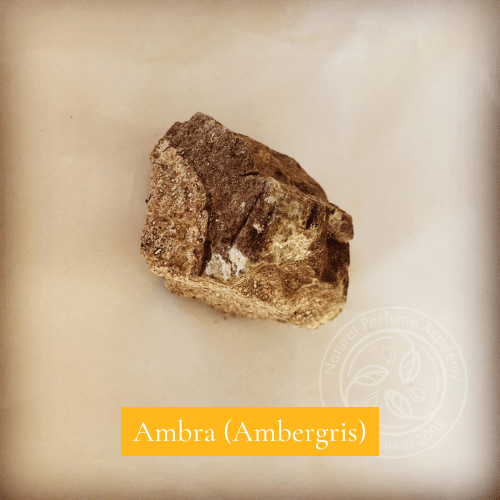
Title: Ambra (Ambergris) Description: Ambra, also known as Ambergris, is a highly prized and mysterious substance in the world of perfumery. It is excreted from the stomach of the cachalot whale, commonly known as the sperm whale. Ambra is the result of a fascinating and unique process within the whale's digestive system. When a sperm whale ingests squid beaks, a common part of its diet, it can sometimes cause irritation to the stomach walls, leading to the formation of a waxy substance known as ambergris. Formation Process: Ambergris is formed through a complex process of chemical reactions within the whale's digestive tract. Over time, this substance undergoes aging and weathering in the ocean, resulting in its distinctive scent and texture. Aromatic Properties: Ambergris possesses a unique scent that is often described as complex, earthy, and musky, with subtle marine undertones. It is highly valued in perfumery for its ability to enhance and fix fragrances, imparting depth, longevity, and a captivating allure to perfumes. Historical Significance: Throughout history, ambergris has been treasured as a rare and precious ingredient in perfumery. It has been used for centuries in luxury fragrances, prized for its exceptional scent-masking properties and its ability to amplify other fragrance notes. Modern Usage: While ambergris was traditionally sourced from the wild, its use in perfumery has become increasingly regulated due to conservation concerns and ethical considerations surrounding the harvesting of whale products. As a result, synthetic alternatives are often used in modern perfumery to replicate the scent of ambergris. Legal Status: The trade and use of natural ambergris are subject to strict regulations and laws in many countries due to its association with endangered species. As a result, perfumers must adhere to ethical and legal guidelines when sourcing and using ambergris in their formulations. Symbolism and Prestige: Ambergris has long been associated with luxury, opulence, and prestige in the world of perfumery. Its rarity, unique scent, and storied history contribute to its enduring allure and fascination among fragrance enthusiasts. Conclusion: Ambra, or ambergris, remains a captivating and enigmatic ingredient in the realm of perfumery, symbolizing the intersection of nature, art, and luxury. While its traditional use may be limited, its legacy continues to inspire and intrigue perfumers and fragrance connoisseurs alike. | |
Ambrette Seed
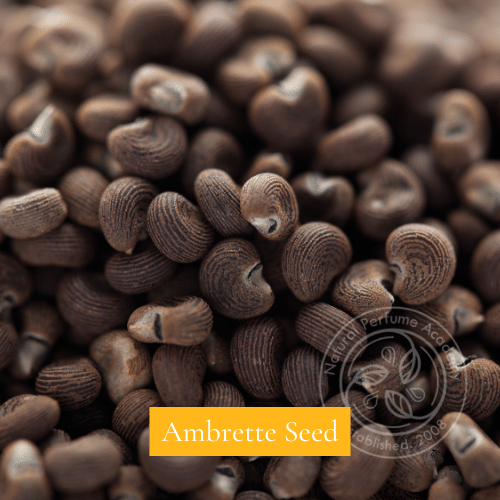
Title: Ambrette Seed Description: Ambrette seeds are derived from the plant Hibiscus Abelmoschus, also known as Abelmoschus moschatus. The seeds yield an essential oil prized in the world of natural perfumery for its unique aromatic properties and versatile uses. Extraction Methods: Ambrette seed essential oil can be obtained through various extraction methods, including steam distillation of the seeds, solvent extraction of the concrete, and tincture extraction. Each method yields different aromatic profiles and concentrations, offering perfumers a range of options for formulation. Aromatic Profile: Ambrette seed essential oil is characterized by its rich, musky, and slightly floral aroma, reminiscent of natural musk. It possesses a warm and sensual scent that blends seamlessly with a wide range of fragrance ingredients, including sandalwood, rose, and neroli. Fixative Properties: Ambrette seed is highly valued in perfumery for its excellent fixative qualities, which help to prolong the longevity and intensity of fragrances. It acts as a natural anchor, enhancing the overall scent profile and ensuring a lasting impression. Substitute for Animal Musks: Ambrette seed oil serves as a sustainable and ethical alternative to traditional animal musks, offering perfumers a cruelty-free option without compromising on fragrance quality or complexity. Its musky aroma adds depth and sensuality to perfumes, reminiscent of classic animalic notes. Exhalting Effect: Ambrette seed is renowned for its "exhalting" effect on perfumes, imparting a subtle and ethereal quality that elevates the fragrance composition. It adds a delicate touch of sophistication and refinement, enhancing the olfactory experience for the wearer. Versatile Application: Ambrette seed oil finds wide-ranging applications in natural perfumery, including as a base note, fixative, or standalone fragrance ingredient. Its versatility and compatibility with other botanical essences make it a prized component in artisanal perfumery formulations. Conclusion: Ambrette seed essential oil is a cherished ingredient in natural perfumery, valued for its distinctive aroma, fixative properties, and sustainable sourcing. As a cruelty-free alternative to animal musks, it exemplifies the principles of ethical fragrance creation while offering perfumers endless creative possibilities. | |
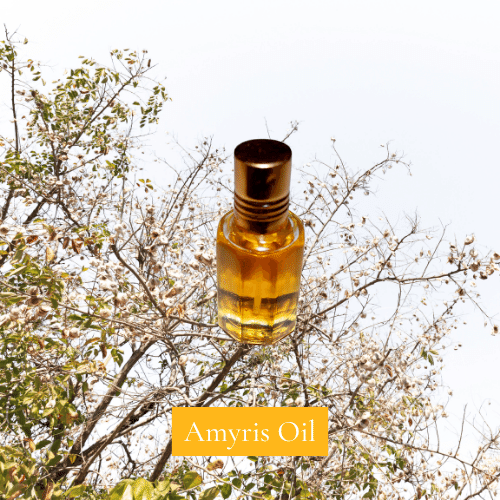
Amyris Oil
Title: Amyris Oil Botanical Name: Amyris Balsamifera Description: Amyris oil, derived from the wood of the Amyris Balsamifera tree, also known as West Indian Rosewood, is a valued ingredient in natural perfumery renowned for its distinctive aroma and versatile applications. Extraction Method: Amyris oil is obtained through steam distillation of the wood of the Amyris Balsamifera tree. This process yields a fragrant essential oil with a rich and complex olfactory profile. Aromatic Profile: Amyris oil possesses a woody and sweet aroma with a peppery top note, reminiscent of sandalwood. Its warm and inviting scent adds depth and complexity to fragrance compositions, making it a popular choice among perfumers. Versatile Applications: Amyris oil finds diverse applications in natural perfumery, serving as a valuable base note, fixative, or standalone fragrance ingredient. Its smooth and creamy texture blends seamlessly with other botanical essences, enhancing the overall fragrance profile. Sustainable Sourcing: The Amyris Balsamifera tree is native to the Caribbean region and is sustainably harvested for its wood, which is used to produce Amyris oil. This eco-friendly sourcing method aligns with the principles of ethical and responsible fragrance creation. Benefits: In addition to its aromatic qualities, Amyris oil is valued for its therapeutic benefits, including its calming and grounding effects on the mind and body. It promotes relaxation and emotional balance, making it a popular choice for aromatherapy and holistic wellness practices. Conclusion: Amyris oil is a prized ingredient in natural perfumery, cherished for its distinctive aroma, sustainable sourcing, and therapeutic properties. Whether used as a base note, fixative, or standalone fragrance ingredient, it adds depth, warmth, and character to fragrances, exemplifying the beauty of botanical essences in perfumery. | |
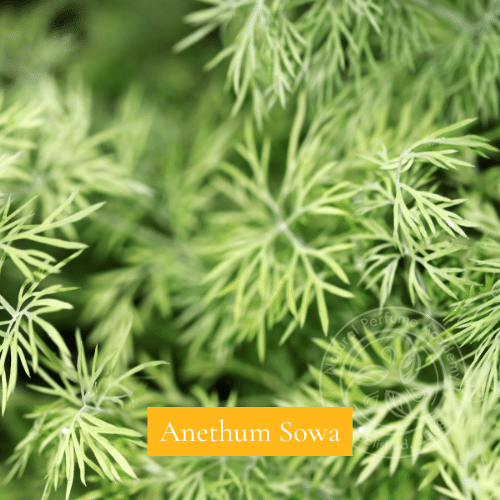
Anethum Sowa
Title: Anethum Sowa Botanical Name: Anethum Sowa Description: Anethum Sowa, also known as Indian Dill, is a lesser-known botanical species cultivated primarily in India and Japan. The essential oil of Anethum Sowa is steam distilled from the fruit or seeds of the wild dill plant, yielding a unique aromatic profile distinct from its European and American counterparts. Aromatic Profile: Unlike European and American dill varieties, the oil of Anethum Sowa exhibits a distinctive aroma reminiscent of parsley rather than caraway. Its fresh, herbaceous scent possesses subtle nuances of green foliage and earthy undertones, adding a refreshing and aromatic dimension to fragrance compositions. Cultural Significance: While Anethum Sowa may be less prevalent in Western countries, it holds cultural significance in Indian and Japanese cuisine and traditional medicine. The aromatic properties of Anethum Sowa are valued for their culinary uses and therapeutic benefits, reflecting the rich botanical heritage of these regions. Therapeutic Benefits: The essential oil of Anethum Sowa is prized for its potential therapeutic properties, including digestive support, relaxation, and stress relief. In traditional Ayurvedic and herbal medicine practices, it is often used to alleviate gastrointestinal discomfort and promote overall well-being. Usage in Perfumery: Despite its relative obscurity in Western perfumery, Anethum Sowa offers intriguing possibilities for olfactory exploration and creative expression. Its unique aromatic profile adds depth and complexity to fragrance compositions, lending a fresh and herbaceous character to botanical blends. Conclusion: Anethum Sowa, or Indian Dill, stands out as a distinctive botanical species with a rich aromatic heritage rooted in Indian and Japanese cultures. Its unique olfactory profile, reminiscent of parsley and green foliage, offers perfumers a creative palette for crafting fragrances inspired by nature's abundance. Ref: Steffen Arctander; Perfume and Flavors of Natural Origin | |
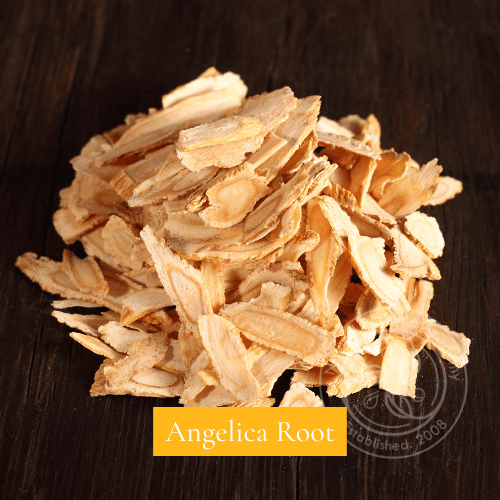
Angelica root | ||
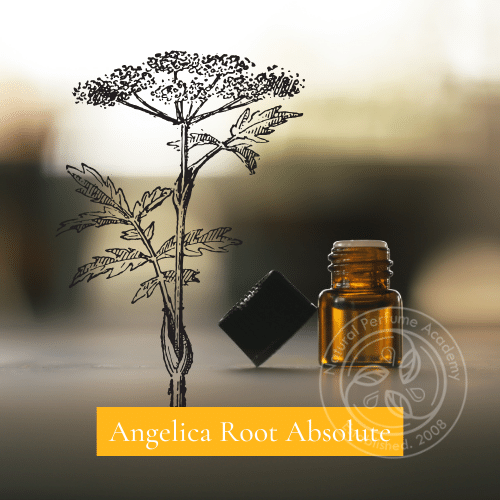
Angelica Root Absolute
Title: Angelica Root AbsoluteAngelica Root Absolute, derived from the Angelica archangelica plant, is a highly concentrated aromatic material esteemed in natural botanical perfumery. Its profound, earthy scent and historical significance make it a valuable addition to the perfumer's palette, evoking the rich traditions of antiquarian perfumery. Historical Context:The use of Angelica root dates back to ancient times, where it was revered for its medicinal and aromatic properties. Named after the Archangel Michael, who was believed to have introduced its benefits to humankind, Angelica root was considered a powerful protector against plagues and evil spirits in medieval Europe. Its roots, seeds, and stems were frequently used in herbal medicine, often seen as a universal remedy. Botanical Profile:Angelica archangelica is a biennial or short-lived perennial herb indigenous to northern Europe and Asia. It flourishes in moist soil, particularly in cooler climates. The plant can grow up to 2.5 meters tall and features large, divided leaves and umbels of small, yellow-green flowers. The roots, harvested typically in their second year, are the source of the aromatic compounds used to produce the absolute. Extraction and Olfactory Characteristics:Angelica Root Absolute is obtained through solvent extraction of the dried roots, yielding a thick, dark brown to amber substance. It possesses a rich, complex aroma profile. The fragrance starts with a fresh, herbaceous top note, transitioning into a warm, woody, and slightly peppery heart, and settling into a deep, musky, and earthy base. This layered scent profile makes Angelica Root Absolute a prized ingredient in the creation of sophisticated, natural perfumes. Uses in Natural Botanical Perfumery:In the realm of all-natural botanical perfumery, Angelica Root Absolute is cherished for its ability to add depth and nuance to fragrance compositions. Its earthy, grounding aroma enhances both the longevity and complexity of perfumes. Perfumers often blend it with citrus, woody, spicy, and other root notes to craft rich, evocative scents reminiscent of ancient herbal apothecaries and traditional botanical gardens. Cultural and Symbolic Significance:Angelica Root Absolute carries a deep cultural and symbolic heritage. Traditionally associated with protection, healing, and divine intervention, it was believed to ward off disease and negative energies. This historical lore continues to imbue modern perfumery with a sense of mystical and spiritual depth, making it not only an aromatic ingredient but also a symbol of ancient wisdom and protection. Summary:Angelica Root Absolute (Angelica archangelica) is more than a component in natural perfumery; it is a conduit to the past, encapsulating centuries of botanical expertise and aromatic tradition. Its distinctive, multifaceted scent and rich historical associations continue to captivate contemporary perfumers, preserving the essence of antiquarian perfumery in modern creations. | |
Animalic | ||
Anise
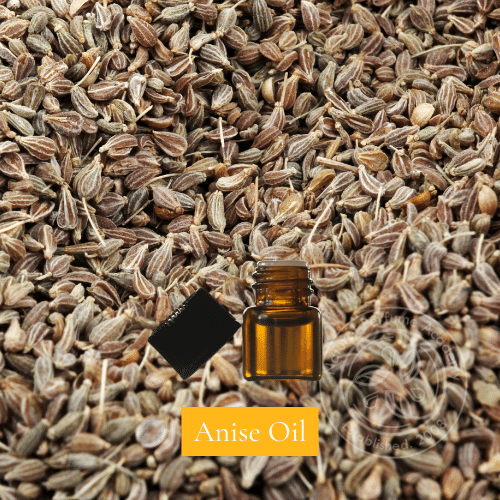
Title: Anise Oil Description:Anise oil, used in natural perfumery, is primarily extracted from the star anise (Illicium verum). Although it is sometimes confused with aniseed oil derived from the anise plant (Pimpinella anisum), star anise oil is the preferred source in perfumery. The oil is typically sourced from Poland or Russia. Characteristics:Anise oil has a sweet, spicy, and licorice-like aroma. This distinctive scent is often associated with licorice, not because it naturally smells like it, but due to its historical use as a flavoring for licorice candy. Similarly, vanilla is often described as having a chocolate-like aroma because of its frequent combination with chocolate in various applications. Aromatic Profile:- Top Notes: Sweet, spicy, and slightly fruity - Middle Notes: Warm, licorice-like - Base Notes: Mildly woody and herbaceous Uses in Perfumery:Anise oil is valued for its unique sweet and spicy profile, making it a versatile component in various types of fragrances. It is often used to add a distinctive twist to compositions, lending an intriguing complexity to the overall scent. Blends Well With:- Citrus Oils: Lemon, orange, and bergamot - Spices: Clove, cinnamon, and nutmeg - Herbs: Basil, fennel, and lavender - Florals: Jasmine and rose - Resins: Frankincense and myrrh
Perfume Types:Anise oil is commonly used in: - Oriental Perfumes: Adds a spicy, exotic note - Gourmand Perfumes: Enhances sweet, edible fragrances - Fougere Perfumes: Contributes to the aromatic and spicy facets - Floral Perfumes: Provides depth and a spicy undertone
Historical and Cultural Context:Anise oil has been used for centuries in various cultures, not only in perfumery but also in traditional medicine and culinary applications. Its licorice-like scent has made it a popular choice for flavoring confections and beverages. References: Steffen Arctander; Perfume and Flavor Materials of Natural Origin.
| |
Anosmia | ||
Araucaria | |
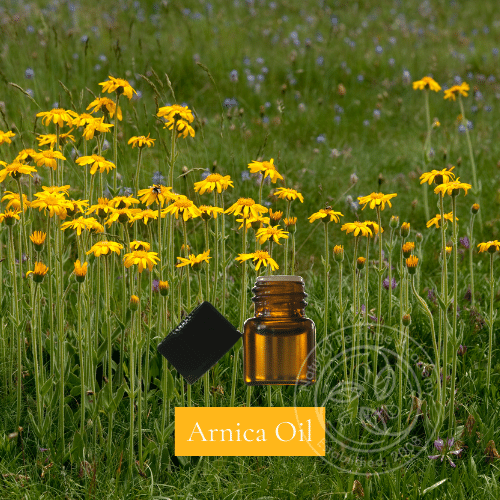
Arnica | |
AromaticHighly aromatic substances, originally describing rich, balsamic essences but now commonly applied to any pleasantly scented botanical materials. | ||
Artabotrys OdoratissimusCountry of origin the Philippines and Indonesia. See: Ylang Ylang | |
Artabotrys SuaveolensSee: Ylang Ylang | |
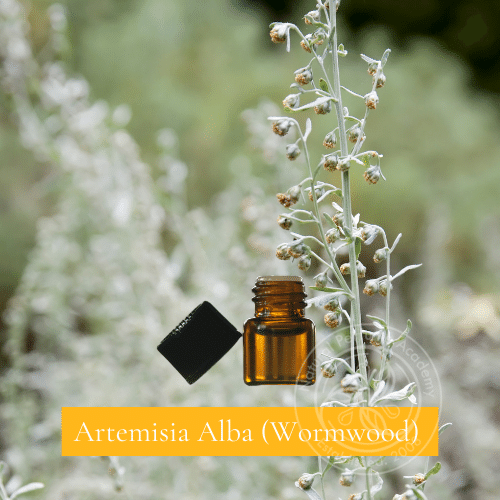
Artemisia Alba
Title: Artemisia Alba (Wormwood)Description: Characteristics: Country of Origin: Perfume Type and Combinations: Usage in Natural Perfumery: Reference: | |
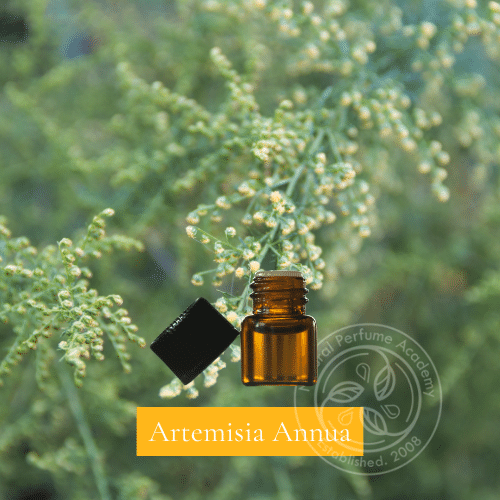
Artemisia Annua | |
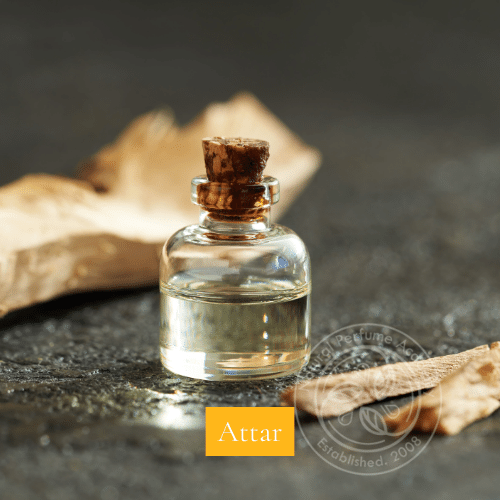
Attar
Title: AttarDescription: Characteristics:
Country of Origin: Perfume Type and Combinations: Usage in Natural Perfumery: Traditional Significance: Reference:
| ||
B |
|---|
Balsam | ||
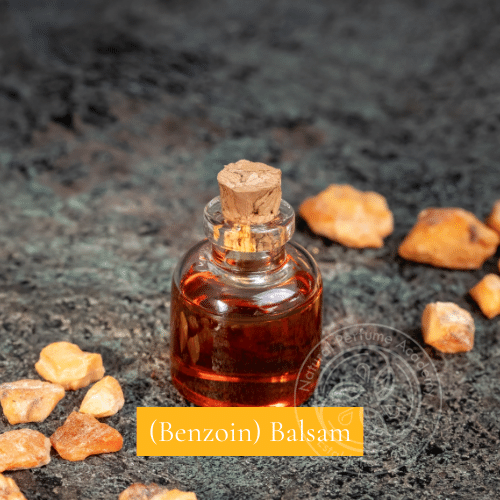
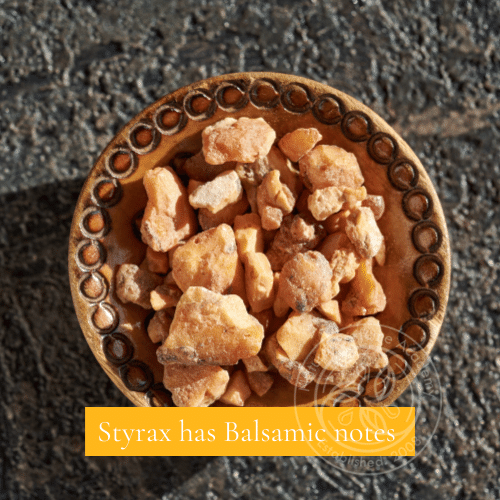
Balsamic | ||
Base Notes | ||
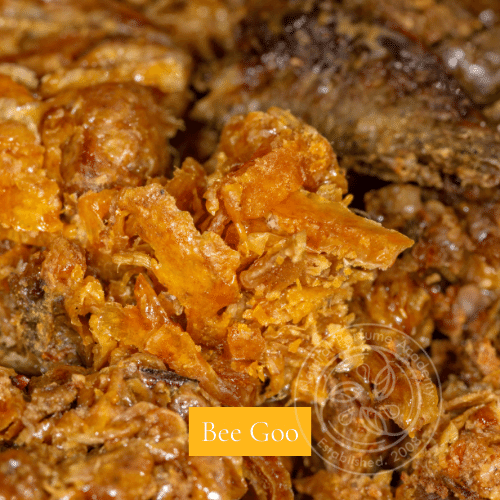
Bee goo | |
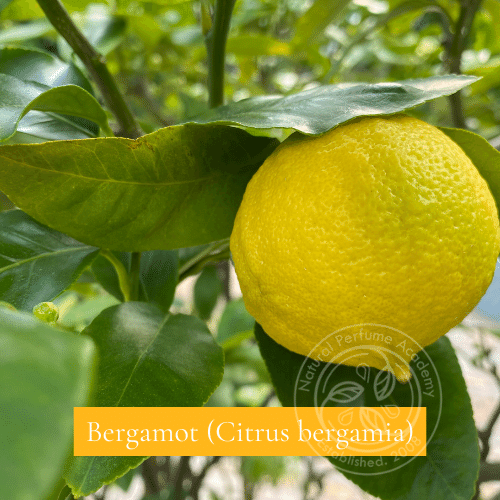
Bergamot | ||
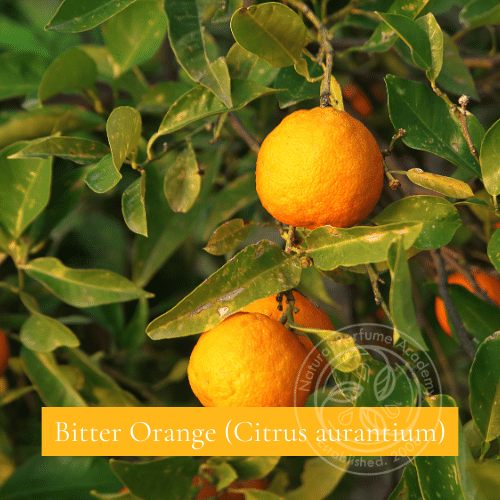
Bitter orange | ||
Body | ||
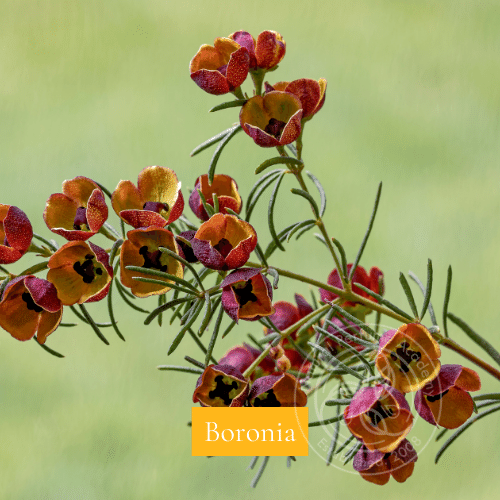
Boronia | ||
Bottom Notes | ||
Bouquet | ||
C |
|---|
Calamus | ||
Camphoraceous | ||
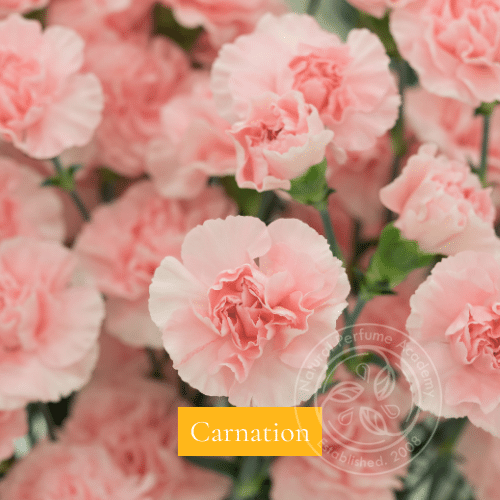
Carnation | |
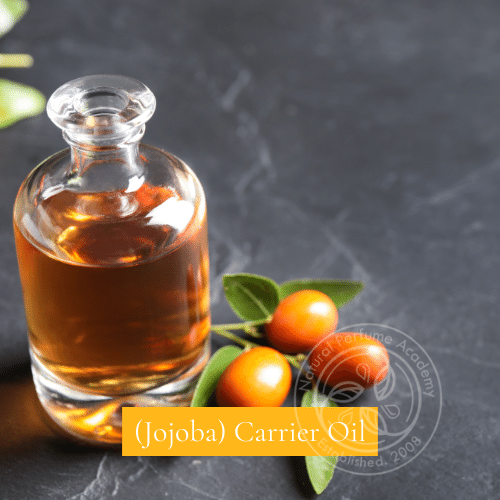
Carrier Oil | ||
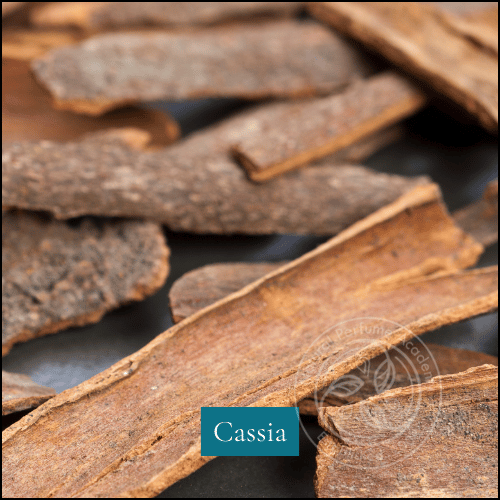
Cassia | |
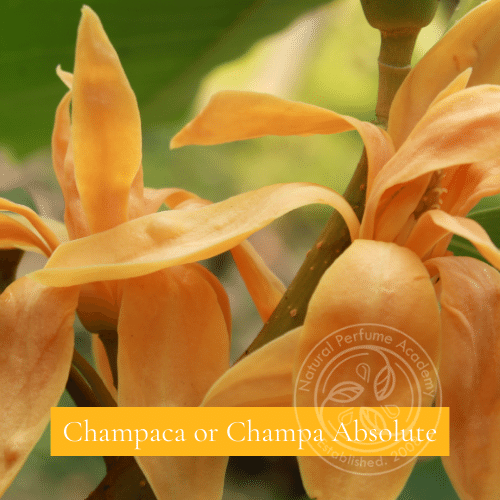
Champaca or Champa Absolute | ||
Chord | ||
Chypre | ||
Citrus Notes | ||
Classic | ||
Clove | ||
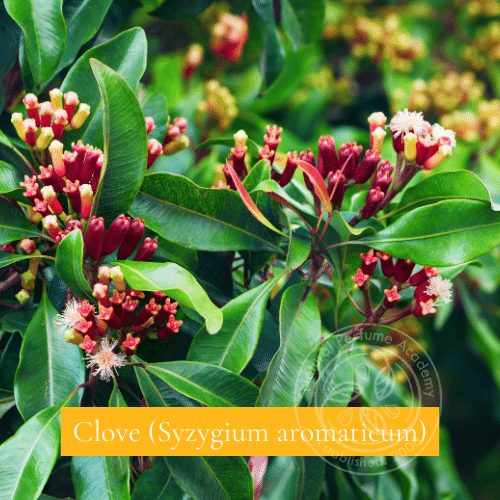
Cloying | ||
CO2 ExtractionTitle: CO2 ExtractionCO2 extraction, also known as supercritical carbon dioxide extraction, is a modern and efficient method used to obtain fragrant compounds from natural raw materials. This process involves the use of carbon dioxide (CO2) at low temperatures and high pressures to act as a solvent.In the supercritical state, CO2 possesses unique properties of both a liquid and a gas, enabling it to penetrate plant materials more effectively than traditional solvents. This method offers several advantages:
CO2 extracts are highly prized in natural perfumery for their rich, true-to-nature aroma profiles. They often contain a more comprehensive range of aromatic components compared to essential oils obtained through steam distillation, providing greater depth and complexity to the fragrance. Due to the precision and high quality of the extracts, CO2 extraction is commonly used for botanicals like frankincense, rose, chamomile, and vanilla, among others. These extracts contribute significantly to the creation of sophisticated and authentic natural perfumes. In summary, CO2 extraction is a state-of-the-art technique that harnesses the power of carbon dioxide to produce highly aromatic and pure extracts, enhancing the palette of natural perfumers with superior quality ingredients. | ||
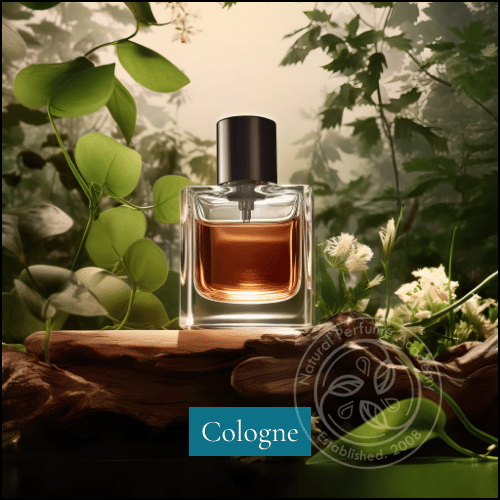
Cologne | ||
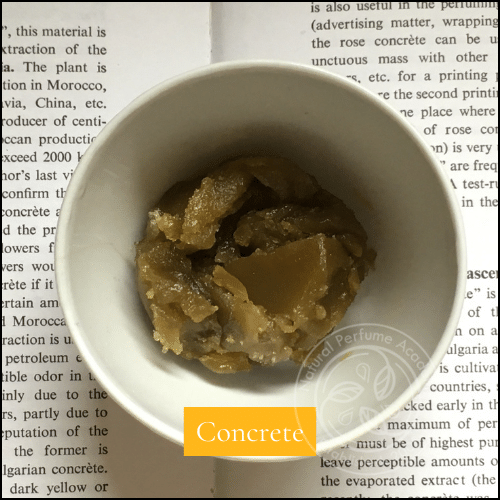
Concrete | ||
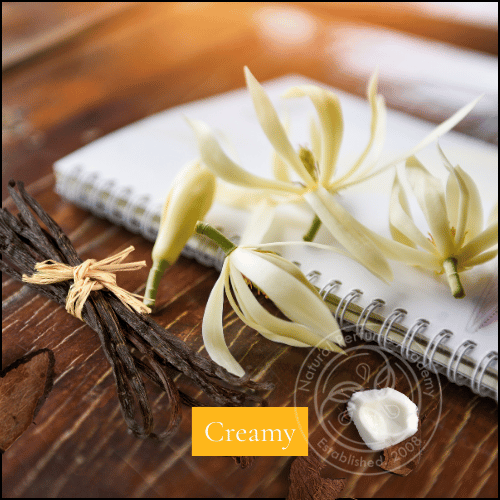
Creamy | ||
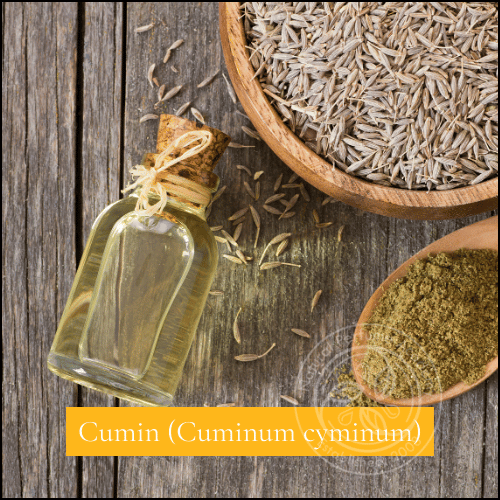
Cumin | ||
D |
|---|
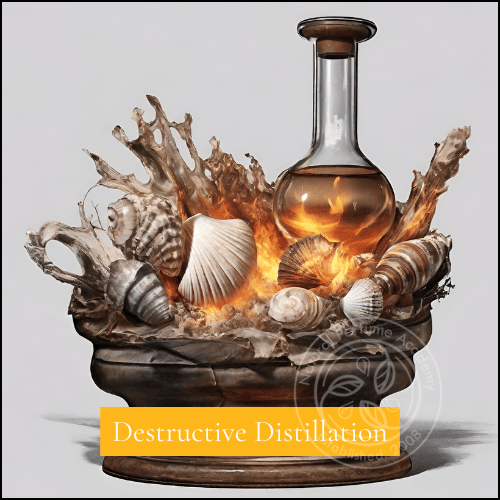
Destructive Distillation | ||
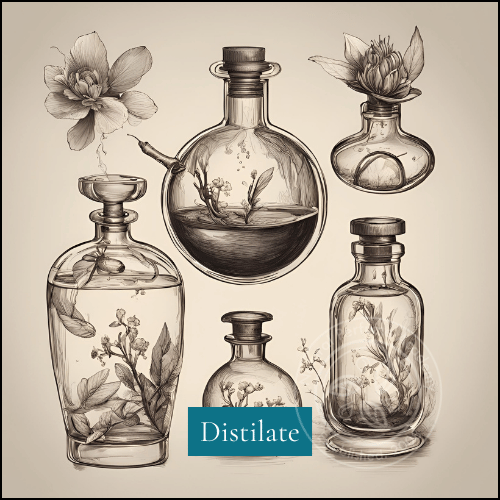
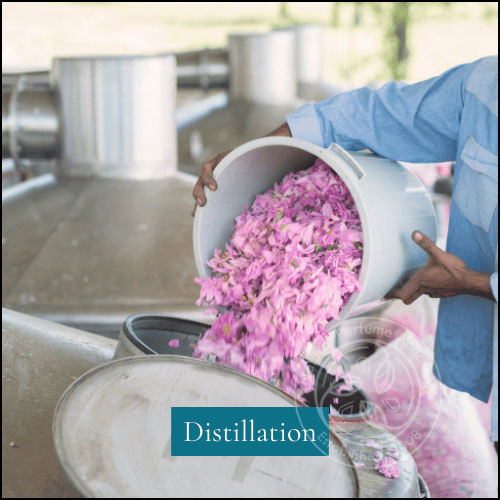
Distillate | ||
Distillation | ||
Dry DownTitle: Dry Down:The final stage of a perfume’s development on the skin, where the base or bottom notes become most prominent and enduring. This phase occurs after the initial top notes have evaporated and the heart notes have mellowed. In natural perfumery, dry down reveals the deep, rich scents derived from materials like resins, woods, and musks, which are known for their longevity and stability. These base notes provide the lasting impression of the fragrance, creating a signature scent that can linger for hours. The art of crafting a well-balanced dry down is crucial for natural perfumers, as it ensures the perfume evolves beautifully over time, maintaining its complexity and allure. | ||
E |
|---|
Earthy NotesTitle: Earthy NotesRefers to perfume notes that evoke the rich, natural scent of soil, moss, and other elements of the earth. These notes are characterised by their deep, grounding, and sometimes musty aroma, reminiscent of the forest floor or freshly turned soil. Common ingredients that contribute to earthy notes in natural perfumery include patchouli, vetyver, oakmoss, and mushroom (cepes). They add depth and complexity to a fragrance, often serving as base notes that provide a solid foundation and enhance the longevity of the perfume. Earth Notes are particularly valued in natural perfumery for their ability to connect the wearer to nature and evoke a sense of grounding and stability. | ||
Eau de CologneTitle: Eau de CologneAlso known simply as Cologne, it refers to a type of fragrance composition characterised by its fresh, citrusy, and light scent profile. Eau de Cologne typically contains a high proportion of citrus oils such as bergamot, lemon, and orange, giving it a vibrant and refreshing aroma. The composition generally consists of approximately 3-5% perfume concentration diluted in a mixture of alcohol and distilled water. Originally developed in Cologne, Germany in the 18th century by Italian perfumer Johann Maria Farina, Eau de Cologne is known for its invigorating and revitalising qualities, making it a popular choice for daytime use and warmer climates. It is valued for its crispness and ability to provide a clean, brisk fragrance experience. | ||
Eau de ParfumTitle: Eau de ParfumEau de Parfum (EdP) is a category of fragrance known for its higher concentration of perfume oils compared to other types. Typically containing between 8-15% perfume composition blended with alcohol, Eau de Parfum strikes a balance between potency and elegance. In some formulations, a small amount of distilled water or floral hydrosol (less than 5%) may be added to enhance the fragrance profile without diluting the intensity of the scent. This concentration level gives Eau de Parfum a longer-lasting and more pronounced fragrance presence on the skin compared to lighter formulations like Eau de Toilette or Eau de Cologne. Eau de Parfum is favored for its depth and sophistication, making it suitable for both daytime and evening wear, offering a richer olfactory experience that evolves over time. | ||
Eau de ToiletteTitle: Eau de ToiletteEau de Toilette (EdT) represents a popular category in modern perfume making, known for its balanced composition and versatility. Typically comprising a perfume oil concentration ranging from 4 to 8%, blended with alcohol, Eau de Toilette strikes a middle ground between lightness and longevity. To refine the fragrance profile, a small percentage of distilled water or floral hydrosol is often incorporated, enhancing the scent without compromising its character. Eau de Toilette is widely favored for its fresh and vibrant notes that offer a pleasant and enduring fragrance experience suitable for daily wear. Its moderate intensity makes it an ideal choice for various occasions, providing a refined scent that evolves gracefully over time on the skin. | ||
Enfleurage | ||
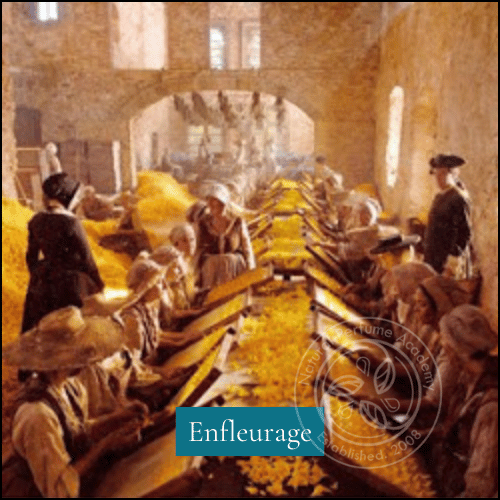
EssenceTitle: EssenceIn perfumery, essence refers to the concentrated aromatic oils extracted from natural raw materials such as flowers, fruits, spices, woods, and resins. These essences are the fundamental building blocks used by perfumers to create fragrances. Each essence contributes its unique scent profile, ranging from floral and fruity to woody and spicy, ensuring diversity and complexity in perfume compositions. Extracted through various methods such as distillation, expression, and enfleurage, essences form the core ingredients that define the character and quality of natural perfumes. | ||
Essential OilTitle: Essential OilEssential oils are volatile aromatic compounds extracted from botanical sources through processes like distillation or cold-pressing. These oils capture the characteristic scents and therapeutic properties of plants, making them prized ingredients in natural perfumery and aromatherapy. Steam Distillation: This method involves passing steam through plant material in a closed system. The steam causes the release of essential oils from the plant cells, and upon cooling, the mixture separates into water and essential oil, with the oil floating on top. Expression (Cold-Pressing): Used primarily for citrus fruits such as lime, bergamot, and orange, this technique involves mechanically pressing the rind of the fruit to extract the essential oil. Unlike steam distillation, expression does not involve heat, preserving the delicate aroma of citrus oils. Essential oils vary widely in scent and therapeutic properties, providing natural perfumers with a diverse palette to create fragrances that range from citrusy and fresh to floral and woody. | ||
ExpressionTitle: ExpressionExpression is a method used to extract aromatic materials, specifically essential oils, from plant sources, primarily citrus peels. Unlike steam distillation, which uses heat and steam, expression involves mechanical pressure to squeeze out the volatile oils contained in the rind or peel of fruits. Process: Citrus fruits such as oranges, lemons, and bergamots are commonly processed using expression. The fruit peel is mechanically pressed to rupture the oil-containing glands, releasing the essential oil along with some of the fruit's aromatic compounds. The resulting oil is then collected and used in natural perfumery, cosmetics, and aromatherapy. Expression is favoured for citrus oils because it preserves the fresh, vibrant aroma of the fruit without exposure to heat, which can alter or degrade the delicate citrus scent. This method ensures that the extracted oils retain their true fragrance and therapeutic properties, making them valuable ingredients in fragrance compositions and other applications. | ||
ExtraitTitle: ExtraitExtrait, also known as extrait de parfum or pure perfume, represents the highest concentration of scent in perfume making. It typically contains between 15% to 30% perfume composition blended with alcohol or another diluent. Characteristics: Extrait is revered for its rich and intense fragrance profile, offering a potent olfactory experience that lingers on the skin for an extended period. Due to its high concentration of aromatic compounds, only a small amount is needed to achieve a lasting scent, making it one of the most luxurious and long-lasting forms of fragrance. Application: Extrait is often preferred for special occasions or evening wear, where its deep, complex notes can unfold and evolve over time. Its luxurious nature and high concentration make it a coveted choice among perfume enthusiasts and connoisseurs. Production: The production of extrait involves meticulous blending of essential oils, absolutes, and other aromatic ingredients with a carefully measured amount of alcohol or diluent. This meticulous process ensures that the final product maintains its intensity and integrity. | ||
F |
|---|
FixativeTitle: FixativeFixatives are natural materials or compounds used in perfumery in small quantities (typically 1% to 3%) to enhance the longevity and stability of a perfume composition on the skin. These substances help to anchor the volatile aromatic components, slowing their evaporation and extending the overall duration of the fragrance. Types of Fixatives:
Function: Fixatives work by binding to the skin and slowing the evaporation rate of the more volatile fragrance components. This helps the perfume to linger longer and maintain its character throughout the day. Application: Perfumers carefully select fixatives based on their ability to complement the overall fragrance and enhance its longevity. The choice of fixative can significantly influence the final scent profile and performance of a perfume. Natural Origins: In natural perfumery, fixatives are derived from botanical sources, aligning with the tradition of using natural materials to create luxurious and enduring fragrances. | ||
FlaconTitle: Flacon:A flacon refers to a bottle, typically crafted with delicate or ornate design elements, specifically used for storing perfumes. These bottles are often designed to enhance the aesthetic appeal of the fragrance they contain and may feature intricate decorations or elegant shapes. Flacons are generally equipped with tight-fitting stoppers or caps to preserve the fragrance from evaporation and oxidation. Origins: The term "flacon" originates from the Old French word "flagon," which historically referred to a container for liquids, particularly wine or perfume. Over time, it evolved specifically to denote a perfume bottle, emphasising its importance in the presentation and preservation of fragrances. Characteristics: Flacon bottles vary widely in size, shape, and material, ranging from small, portable vessels to larger, decorative containers. They are designed not only to hold perfume but also to showcase the craftsmanship and artistry associated with perfumery. Importance: Beyond functionality, flacons serve as collectors' items and symbols of luxury, often adorned with intricate detailing, engravings, or labels that reflect the brand identity and the essence of the fragrance they hold. Usage: Perfumers and fragrance houses carefully select flacons to complement the aesthetic and sensory experience of their perfumes, ensuring that the design harmonises with the fragrance's story and target audience. Cultural Significance: Throughout history, flacons have symbolised elegance, refinement, and the art of perfumery, making them prized possessions and desirable gifts in both personal and ceremonial contexts. | ||
Flat NoteTitle: Flat NoteIn perfumery, a flat note refers to a fragrance component that lacks vibrancy, depth, or complexity. It is characterised by its dull or uninspiring quality, often perceived as lacking liveliness or distinctiveness within a perfume composition. Characteristics:
Causes:
Perfumer's Perspective:
Evaluation:
Enhancement:
| ||
Floralflower based composition | ||
Floriental A word coined in modern perfumery to describe a scent that is classified as, or exhibits traits of being both floral and oriental in nature. | ||
Fougere(pronounced foo-zhayr) any ferny, mossy scent with lavender at its heart; usually includes patchouli, labdanum, vanilla, tonka and benzoin | ||
Freshtypified by light and airy notes found in green and citrus essences such as galbanum, violet leaf, lemon, lime, grapefruit, bergamot | ||
Fruityfruit essences, usually does not include citrus oils; some examples of fruity essences are davana, magnolia, black currant bud, Roman chamomile; some fruit essences can be obtained through the use of tinctures of fruit like fig, dried currant, and berries | ||
G |
|---|
GardeniaThere are many species of gardenia, but the most cultivated for its beauty and scent is Gardenia jasminoides called also Cape jasmine. Its intoxicating scent is found as absolute, but you can make oil extraction yourself if you have a plant. Its aroma is a kind of lemony jasmine and very strong . Half a dozen flowers are enough to modify completely the smell of one litre of vegetable oil or butter. | |
GeraniumGeranium, which comes from thePelargonium graveolens and is usually classed as a middle note in natural perfumery, is described as having a floral sweet, fresh and fruity note. It is sometimes used to enhance the more expensive rose perfumes. There are many different types of geranium notes ranging from fruity citrus and light to a more floral rosy and some times even a little spicy. | ||
GrapefruitGrapefruit cold-pressed citrus paradisi | ||
Greenfresh scent of cut grass or fresh leaves; violet leaf absolute is a green note with a green cucumber-like scent; cardamom typifies a spicy/green note; coriander is a classic green note | ||
Gumssticky, resinous substances; plant sap exudates; balsams can also be called gums | ||
H |
|---|
Harshpungent or chemical character within a perfume composition | ||
There arean essence typified by a coumarin character; tonka, lavender absolute, liatris | ||
Head Notethe first notes you smell in a perfume; they’re the opening note, the lead or hook note; relatively fleeting, usually lasting no more than 10 or 20 minutes | ||
Headyintoxicating and stimulating | ||
Heart Notenotes which normally classify or identify the perfume family or theme of the composition; for instance, if your theme is a white floral, then you would blend some combination of jasmine, neroli, tuberose, gardenia tinctures and other ‘white’ flower oils as the main component of this note | ||
Heavyintense and oftentimes cloying note | ||
Herbal oil A macerate or infusion of plant material in a plain vegetable oil. See macerate. | ||
Herbal/Herbaceoustypified by green and somewhat camphoraceous scents in combination; lavender, rosemary, sages and mints are common herbal essences | ||
Honeysweet, syrupy note | ||
I |
|---|
Incensenotes incorporating sweet, powdery and resinous essences | ||
IndoleIndole is an aromatic heterocyclic organic compound. It naturally occurs in human feces and has an intense faecal odour. At very low concentrations though, it has a very flowery smell, and is a constituent of many floral scents (such as orange blossoms) and perfumes. It tends to lend a "dirty" quality to a perfume. | ||
Infusionwhole botanical materials immersed in a hot medium, diluent or carrier; botanical material in warmed oil is considered an infusion | ||
Insolubleraw materials (essential oils, resins, absolutes, concretes, etc.) which do not dissolve in a diluent (alcohol, solvent, oil, water, etc.) | ||
J |
|---|
Jasmine There exists some 200 species of jasmine. Jasmine oils are extracted commercially from the jasmine Zambac (Arabian Jasmine) and jasmin grandiflorum (Common Jasmine). There exists some 200 species of jasmine. Jasmine oils are extracted commercially from the jasmine Zambac (Arabian Jasmine) and jasmin grandiflorum (Common Jasmine).
Jasmine oil cannot be extracted by steam distillation. The main modern comercial method of extracting Jasmine oil is via solvent extraction. Jasmine concrete is produced by solvent extraction of the fresh flowers. Concrete of Jasmine sambac is a deep orange translucent mass of a jam like consistency. The sambac smells heady and intoxicating. Deep exotic floral with indolic, animalic undertones. Concrete of grandiflorum is dark orange mass of jam like consistency. Grandiflorum is heady, intoxicating and fruity an exotic floral with peachy fruity notes. Jasmine absolute is extracted from the concrete using alcohol. Jasmine wax is a by product of this process. Jasmine flowers of all varieties can be tinctured for use in perfumery. Dried jasmine flowers usually don't have much of a smell and are mainly used in tea. | ||
K |
|---|
Kadamba
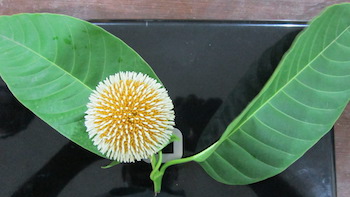
The Kadamba or Anthocephalus Cadamba tree is native to Northern India. An essential oil and a hexane extraction is produced from the flowers but the yeild is very small. The perfume from the flowers is intoxicating at night. According to Steffen Arctander "This is one of the rare perfume materials which deserves a permanent and prominent place on the perfumer's shelf." He describes it as "woody floral and sweet odor with a short lived top note. The dry out is delightfully sweet floral, reminiscence of champaca and neroli. The tenacity of this fragrance is almost incredible." Ref: Steffen Arctander; Perfume and Flavor Materials of Natural Origin | ||
L |
|---|
Labdanum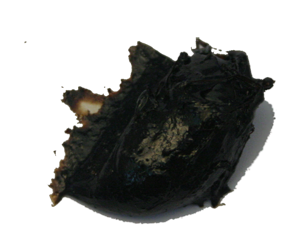 Labdanum comes from the natural exudation of the plant Cistus landaniferus which is a small shrub growing wild in countries of the Mediterranean and the middle east. It grows well near the sea. The Labdanum gum or resinous material is further extracted by solvents to form an absolute. The absolute is commonly used in as a fixative in perfumes of the amber classification. Stefan Arctander says of Labdanum Resin Absolute on P 333 of Perfume and Flavor Materials of Natural Origin: “The odor of labdanum is sweet, herbaceous-balsamic, somewhat ambra-like and slightly animalic, rich and tenacious.” Labdanum comes from the natural exudation of the plant Cistus landaniferus which is a small shrub growing wild in countries of the Mediterranean and the middle east. It grows well near the sea. The Labdanum gum or resinous material is further extracted by solvents to form an absolute. The absolute is commonly used in as a fixative in perfumes of the amber classification. Stefan Arctander says of Labdanum Resin Absolute on P 333 of Perfume and Flavor Materials of Natural Origin: “The odor of labdanum is sweet, herbaceous-balsamic, somewhat ambra-like and slightly animalic, rich and tenacious.” | ||
Lavender
LavenderLavandula angustifolia, Lavandula hybrida, Lavandula luisieri, etc. Description: Types of Lavender in Perfumery:
Lavender Absolute:According to Arctander:
The absolute is sweeter but less floral than the essential oil and blends well with it to recreate the authentic scent of blooming lavender. Perfumery Notes:
Blends Well With:As noted by Arctander, lavender blends beautifully with:
🧬 Extraction Types:
Regions:
Unique Characteristics: | ||
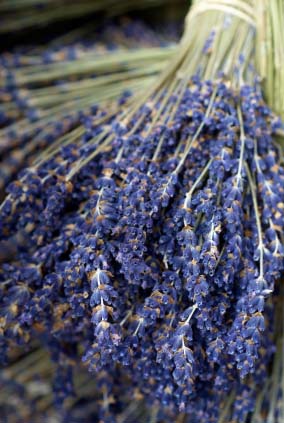
Leather A blend that is reminiscent of leather often including tobacco and smoky scents such as cade. Most noted leather scents include Peau d'Espagne and Cuir de Russie (see http://perfumeshrine.blogspot.com/2007/12/leather-series-5-cuir-de-russie-vs-peau.html for more info.) | ||
Lemon cold-pressedCitrus limonum Description: Note Family: Citrus Blends Well With:Other Citrus: Orange, Bergamot, Lime, Grapefruit Herbal: Rosemary, Basil, Thyme, Lemongrass Floral: Lavender, Neroli, Rose Woods & Resins: Frankincense, Myrrh, Cedarwood Spices: Ginger, Black Pepper, Coriander Lemon lifts a blend with its crisp brightness, often used in colognes, herbal compositions, and detox-style aromatherapy accords. Extraction Method: Cold pressing of fresh lemon peel Regions: Commonly produced in Italy, Spain, California, and Argentina Safety Note: Unique Characteristics: Highly volatile: offers strong top-note presence but fades quickly Often used in natural cleaning products, eaux de cologne, and bright, youthful perfumes Known to oxidise quickly—store in a cool, dark place with minimal air exposure | ||
Lime cold-pressedCitrus aurantifolia Also known as: Mexican Lime, Key Lime
Cold-pressed lime oil is extracted from the peel of the Citrus aurantifolia fruit, resulting in a bright, zesty, and effervescent aroma. It’s intensely fresh, green, and citrusy, with a sharp top note that lifts and energizes perfume compositions. This oil is notably phototoxic when cold-pressed, so must be used with caution in topical applications.Note Family: Citrus Description: Blends Well With:Other Citrus: Bergamot, Lemon, Orange, Grapefruit Herbal: Basil, Coriander, Lemongrass Floral: Neroli, Ylang-Ylang, Lavender Woody: Cedarwood, Sandalwood Spices: Ginger, Cardamom Cold-pressed lime enhances bright top notes, bringing a crisp and sparkling dimension to compositions. Extraction Method: Cold pressing of fresh lime peel (zest) Regions: Primarily grown and processed in Mexico, India, and the West Indies Safety Note: Unique Characteristics: Cold-pressed lime oil is more intense and green than distilled lime oil Prized for use in eau de cologne, summer accords, and natural cleaning blends Offers a short but vibrant burst in perfumery due to its volatility | ||
Locking A phenomenon where two or more ingredients interact to create an overwhelmingly strong scent that overtakes a blend. | ||
M |
|---|
MacerateTo steep or soak aromatic plant material in a liquid (usually water or a plain vegetable oil) to create a plant extract containing the water or oil soluble constituents. The macerate will usually differ chemically from an essential or expressed oil made from the same plant material due to this. It is possible to create a macerate from plants that do not usually yield an essential oils by distillation. Examples are Meadowsweet and Comfrey. Macerates are also known as Infused or herbal oils. | ||
Massoia barkMassoia bark cryptocaryo massoio – prohibited (should not be used in fragrance) | ||
Middle Note(same as heart note)notes which normally classify or identify the perfume family or theme of the composition; for instance, if your theme is a white floral, then you would blend some combination of jasmine, neroli, tuberose, gardenia tinctures and other ‘white’ flower oils as the main component of this note | ||
Mossytypified by oak moss, tree mosses and forest floor essences | ||
N |
|---|
Narcoticintense and intoxicating essences such as rose, jasmine, hyacinth and other rich florals | ||
Note/Notesrefers to the melody within the composition, the song of the perfume, the theme, or to a particular part of a perfume or aromatic used within the composition ('galbanum is a note in this perfume'), or it refers to how the composition is perceived, i.e. ‘floral notes’, ‘woody notes’, ‘green notes’ | ||
O |
|---|
Odor DescriptionAccording to Steffen Arctander in Perfume and Flavor Materials of Natural origin: " Part of the "romance" or "thrill" in perfumery work lies in the fact that, not only are all the materials different in odor but hardly ever will two perfumers give identical descriptions of the same material or the same perfume" | |
Olfactoryrelating to the sense of smell | ||
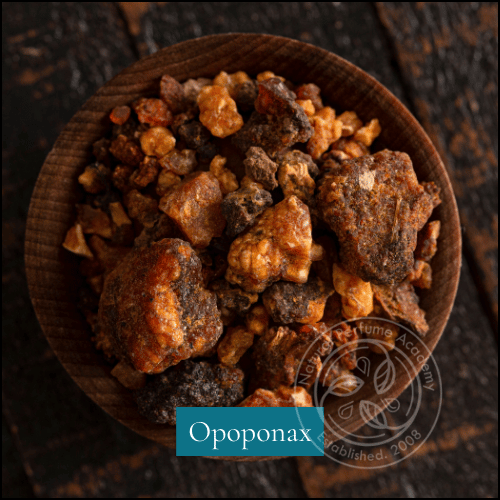
Opoponax
Commiphora erythraea Description: Forms of Use in Natural Perfumery:
Note Family: Balsamic, Resinous, Woody, Oriental Blends Well With:
These combinations yield deep, sensual fragrances with a warm, smoky, and meditative core. Extraction Method:
Unique Characteristics:
| ||
Organsystem of storing bottles of perfume making materials typified by stepped shelving | ||
Orientaltypified by amber notes and spice | ||
Orris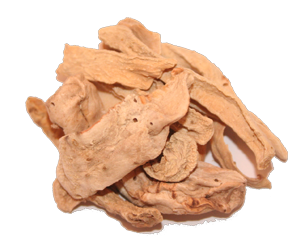 Iris florentina, Iris pallida, Iris germanica Common Names: Orris Root, Orris Butter, Beurre d’Iris, Orris Absolute Description: Types of Orris Extracts
Descriptive Language CategoriesNote Family: Floral, Powdery, Woody, Balsamic Texture: Silky, creamy, buttery, powder-dry Emotion: Elegant, nostalgic, calming, luxurious Analogy: A velvet glove, vintage lipstick case, sunlit dressing table Uses in Perfumery:
Extraction Methods:
Unique Characteristics:
Tags: orris, iris, beurre d’iris, alpha-irones, iris pallida, violet note, powdery floral | ||
Otto results of steam-distilled rose petals, particularly Bulgarian and Turkish rose | ||
P |
|---|
Palettecollection of raw materials used by the perfumer to create perfume | ||
Parfum/Perfume(see Extrait) highest concentration of scent to diluent in perfume making; 15 to 30% composition blend to alcohol or diluent | ||
Perfumeran artist who creates perfume | ||
Persistence This term is used to describe the longevity or staying-power of a particular perfume on the skin. For example: "this scent has remarkable persistence". | ||
Phototoxicity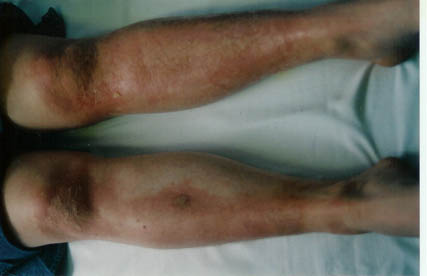 Phototoxicity results from an overheating reaction between a chemical (either ingested or topically applied) and ultraviolet light. The reaction can cause severe burns and in some cases may cause permanent scaring. Phototoxicity results from an overheating reaction between a chemical (either ingested or topically applied) and ultraviolet light. The reaction can cause severe burns and in some cases may cause permanent scaring. | ||
Phytotherapy"This term is a compound of two Greek words meaning "plant" and "healing" and is used to describe all forms of treatments using plants. In France this term is used to describe what we would call Medical Herbalism but aromatherapy is often included under the same heading"...Patricia Davis in "Aromatherapy, an A to Z". It can be argued that perfumes created using vibrant, natural plant materials and extracts with no synthetic or chemical additives could also be regarded as a branch of Phytotherapy. | ||
PommadeFatty substance obtained through enfleurage; the pomade is then used for solid perfume making, or it is further processed by soaking the pomade in high proof alcohol for several weeks to obtain a fragrant tincture which is filtered and used to make alcohol based perfume. | ||
Powderya note obtained through the blending of sweet, woody notes with fruity, green or citrus notes; typified by the use of vanilla, patchouli, benzoin, labdanum, cananga/ylang-ylang, rose, sandalwood and/or bergamot | ||
R |
|---|
Raw Materialbotanical or animal based material used in perfumery; essential oils, absolutes, tinctures, infusions, concretes, pomades, CO2 extractions, etc. are all examples of a raw material | ||
Resinoids(see Balsam and Gums)sweet, warm, woody, resinous materials; exudates of trees. | ||
Rose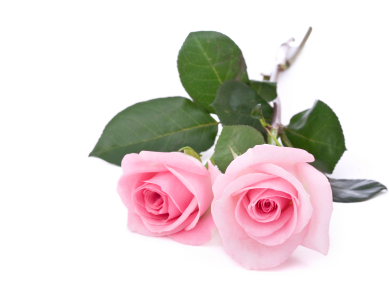 Rosa damascena, Rosa centifolia Common Names: Bulgarian Rose, Rose de Mai, Damask Rose, Cabbage Rose Description: Types of Rose Extracts
Rose Scent Classifications(According to Shiseido’s classification of rose scent profiles):
Descriptive Language CategoriesNote Family: Floral, Powdery, Spicy, Green, Fruity Texture: Velvety, honeyed, petal-soft, silky Emotion: Romantic, sensual, nostalgic, comforting Analogy: Velvet drapes in a sunlit room, dew-covered petals, a letter from a lover Uses in Perfumery: Regions: Extraction Methods:
| ||
RosewoodAniba rosaeodora Common Names: Brazilian Rosewood, Bois de Rose, Pau-Rosa Description: Aroma Profile: Uses in Perfumery: Regions: Extraction Method: Goes Well With: Unique Characteristics: Descriptive Language CategoriesNote Family: Floral, Woody, Fresh, Citrus-Floral Texture: Silky, radiant, sheer Emotion: Uplifting, serene, clarifying, balancing Analogy: Sunlight through rose petals, a polished cedar writing desk, fresh linen in a blooming garden Conservation Status: | |
S |
|---|
Saffron
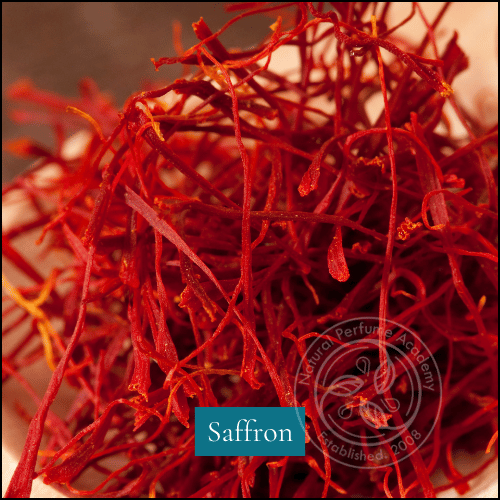
Title: Saffron Botanical NameThe botanical name of the plant used to produce saffron absolute is Crocus sativus. DescriptionSaffron is the most expensive spice in the world, known for its dark red gold color. It is obtained from the flowers of the Crocus sativus. While the flowers themselves are light purple, the thread-like stamens within are deep red, and these stamens constitute the saffron. Harvested in the autumn, the process of separating the stamens from the flowers is extremely laborious, requiring 70,000 pounds of flowers to yield just one pound of saffron. The odor of saffron is reminiscent of sea air, making it a unique and luxurious component in natural perfumery. Uses
Additionally, saffron is used to flavor and add a yellow color to rice and as a natural dye for fabrics. Goes Well WithSaffron absolute blends well with a variety of essential oils and other natural extracts. Some popular combinations include:
The Extraction Process
Why Choose Absolutes?Absolutes are chosen for their unmatched aromatic complexity and strength, making them invaluable in creating luxurious and enduring perfumes. ConclusionSaffron absolute is an essential component in the world of natural perfumery, offering an intense and multifaceted scent that enhances any fragrance blend. Its versatility and potency make it a favorite among perfumers and aromatherapists alike. In natural antiquarian botanical perfumery, saffron is especially prized for its unique and rich aroma, adding an exotic touch to various fragrance compositions. | ||
Sillage A term often used in perfumery to describe the trail of scent you leave behind you. The term is derived from the French language, and is defined as: wake, slipstream, or trail. | ||
Soluableraw materials (essential oils, resins, absolutes, concretes, etc.) which dissolve in a diluent (alcohol, solvent, oil, water, etc.) | ||
Solventsfluid materials used to dissolve and extract volatile elements of botanicals (water, alcohol, hexane, oil, etc.) | ||
SpicyNotes which are typically hot in character, such as clove, pepper and cinnamon. | ||
Styrax gum resin aka benzoinStyrax benzoin, Styrax tonkinensis, Styrax paralleloneurum Common Names: Benzoin, Gum Benjamin, Styrax Resin Description: Aroma Profile: Uses in Perfumery: Regions: Extraction Method: Goes Well With: Unique Characteristics: Descriptive Language CategoriesNote Family: Balsamic, Sweet, Resinous, Amber Texture: Syrupy, resinous, velvety Emotion: Comforting, grounding, nostalgic, devotional Analogy: Warm church pews in winter, spiced caramel, aged parchment with vanilla ink Cautions: | ||
Sweetcharacterized by taste utilizing essences such as vanilla, honey and warm balsamic notes | ||
T |
|---|
Tagetes (Tagetes Oil / Marigold)Tagetes patula, Tagetes minuta, Tagetes erecta Description: Aroma Profile: Uses in Perfumery: Regions: Extraction Method: Goes Well With: Unique Characteristics: Descriptive Language CategoriesNote Family: Green, Herbal, Fruity, Balsamic Texture: Sharp, juicy-green, sticky-herbaceous Emotion: Wild, alerting, rustic, nostalgic Analogy: Overgrown herb garden in late summer, wildflowers crushed underfoot, bitter fruit peel in sunlight Cautions: | |
Tea AbsolutesTea absolutes Camellia sinensis , thea chinensis , thea sinensis | ||
Tenacitystrength of a scent or note characterized by the length of time it lasts on the skin | ||
TinctureA tincture is an alcoholic extract of natural raw materials. Common tinctures include: Tincture of vanilla, Tincture of Ambrette seed, Tincture of Orris, Tincture of benzoin, and Tincture of Labdanum. | |
TreemossesTreemosses usnea / pseudoevernia furfuracea See Oakmoss | ||
Tuberose
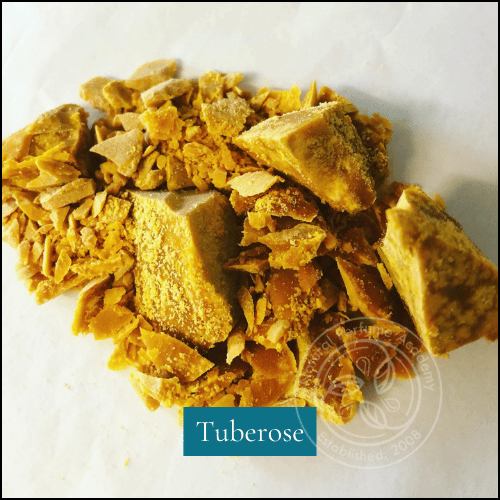
Title: TuberoseTuberose (Polianthes tuberosa) is a highly fragrant perennial plant native to Mexico, and it has been cherished for centuries for its captivating, creamy white blooms that emit an intense, rich floral aroma. In the realm of natural perfumery, tuberose is considered one of the most luxurious and sensual floral notes, often used in high-end and artisanal fragrances. Characteristics and ExtractionThe scent of tuberose is complex and multi-faceted, featuring notes of creaminess, sweetness, and an almost narcotic intensity that is both heady and seductive. This makes it a powerful addition to perfumes, where it often serves as the heart or middle note, providing depth and opulence to a fragrance composition. Tuberose is typically extracted in two primary forms used in natural perfumery:
Perfumery UsesTuberose is a versatile note in perfumery, complementing and enhancing a wide range of other fragrance components. It pairs beautifully with:
Example Uses in Fragrance Types:
Additional Notes
References
Tuberose remains a beloved and pivotal element in natural perfumery, admired for its ability to convey an air of luxury and mystique. Its unique aroma continues to inspire perfumers and captivate fragrance enthusiasts around the world. | ||
U |
|---|
Ultrasonic ExtractsTo make an ultrasonic extract the raw material which has been ground to a powder is suspended in a solvent. High frequency vibration is applied and in a short amount of time the extraction is complete. | |
V |
|---|
Verbena AbsoluteLippia citriodora(syn. Aloysia triphylla, Aloysia citriodora) Description: Aroma Profile: Uses in Perfumery: Regions: Extraction Method: Goes Well With: Unique Characteristics: Descriptive Language CategoriesNote Family: Citrus, Green, Herbal, Floral Texture: Silky, light, bright, leafy Emotion: Uplifting, cheerful, refreshing, clear-headed Analogy: Morning lemon tea, sunlit garden herbs, lemon zest on a cool breeze Cautions: | ||
VetiverChrysopogon zizanioides (formerly Vetiveria zizanoides) Description: Uses in Perfumery: Regions: Extraction Method: Goes Well With: Unique Characteristics: Descriptive Language CategoriesNote Family: Woody, Earthy, Smoky, Balsamic Texture: Damp, rooty, resinous, velvety, mineral Emotion: Grounding, contemplative, meditative, nostalgic Analogy: Damp soil after rain, aged oakwood, forest floor, smoked roots Arctander Tag (paraphrased): | ||
W |
|---|
WintergreenWintergreen (toxic) | ||
WormwoodArtemisia absinthium(Sensitizer – use with caution in perfumery) – see conflicting information at www.thegoodscentscompany.com regarding artemisia absinthium l. Cuba, Artemisia absinthium l. oil Italy, Artemisia absinthium l. oil Poland Description: Uses: Goes Well With: Regions: Extraction Method: Unique Characteristics: Descriptive Language CategoriesNote Family: Herbal, Bitter, Green Texture: Piercing, sharp, dry, volatile Emotion: Stimulating, bracing, slightly unnerving Analogy: Crushed alpine herbs, tincture of absinthe, medicinal tonic Arctander Tag (paraphrased): "Very powerful, bitter-aromatic odor, reminiscent of cedarleaf and thuja, with a dry-herbal aftertone." | ||