Painel (Visitante)
Blocos de conteúdo principal
Pular Categorias de Cursos Pular Cursos acessados recentementeCursos acessados recentemente
Não há cursos acessados recentemente
Últimos emblemas
Random glossary entry
Lavender
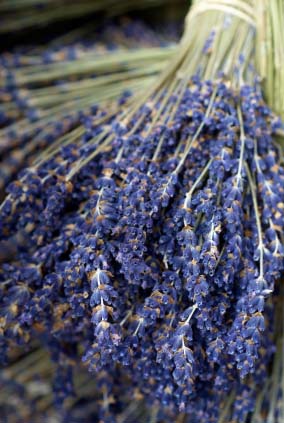
Lavender
Lavandula angustifolia, Lavandula hybrida, Lavandula luisieri, etc.
Also known as: True Lavender, English Lavender, Lavandin, Spanish Lavender
Description:
Lavender is a cornerstone of both natural perfumery and aromatherapy. With its complex aromatic profile ranging from herbaceous and floral to woody, sweet, and balsamic, it offers versatility across perfumery styles. Multiple species and extraction methods result in very different scent profiles.
Types of Lavender in Perfumery:
-
Lavandula angustifolia (Bulgarian, French, Kashmir):
-
Essential oil is floral-herbaceous, soft, sometimes sweet or green, depending on terroir.
-
French lavender: cool, clean, herbal dry-down
-
Indian Kashmir: clean with sweet undertone
-
-
Lavandula luisieri (Spanish Lavender Seville):
-
Typically extracted as an absolute, with woody-spicy notes and a complex, slightly fermented floral character.
-
-
Lavandula hybrida (Lavandin Abrialis):
-
Considered lower-grade in perfumery due to its medicinal, camphoraceous scent, more aligned with functional aromatics (e.g., eucalyptus, tea tree, camphor).
-
Lavender Absolute:
According to Arctander:
"Lavender absolute... of very rich, sweet-herbaceous, somewhat floral odor; in dilution it bears a close resemblance to the odor of the flowering lavender shrubs. Its woody-herby undertone and coumarin-like sweetness duplicate the odor of the botanical material far better than the essential oil."
The absolute is sweeter but less floral than the essential oil and blends well with it to recreate the authentic scent of blooming lavender.
Perfumery Notes:
-
Note Family: Floral-Herbaceous
-
Note Type: Heart to Top Note
-
Texture: Silky, balsamic, powdery, sometimes crisp
-
Emotion: Comforting, clean, nostalgic, grounding
Blends Well With:
As noted by Arctander, lavender blends beautifully with:
-
Citrus: Bergamot, lemon, orange
-
Herbal: Rosemary, clary sage, pine
-
Resins: Labdanum (excellent fixative in lavender accords)
-
Others: Clove oils (e.g., for “Rondeletia” style perfumes), oakmoss, patchouli, liatris, and fluve
🧬 Extraction Types:
-
Essential Oil: Distilled from the flowering tops (true lavender, French, Bulgarian)
-
Absolute: Solvent-extracted, more complete in capturing the woody-sweet herbaceous profile of the plant
-
CO2 Extraction (rare): Offers a truer-to-plant profile with some earthy, round notes
Regions:
-
France, Bulgaria, India (Kashmir), Spain, Australia
Unique Characteristics:
Lavender is one of the rare aromatic plants whose absolute and essential oil differ notably—each offering distinct strengths. It’s also notable for straddling both floral and herbaceous scent families, making it a bridge note in many natural compositions.