Ambrette Seed
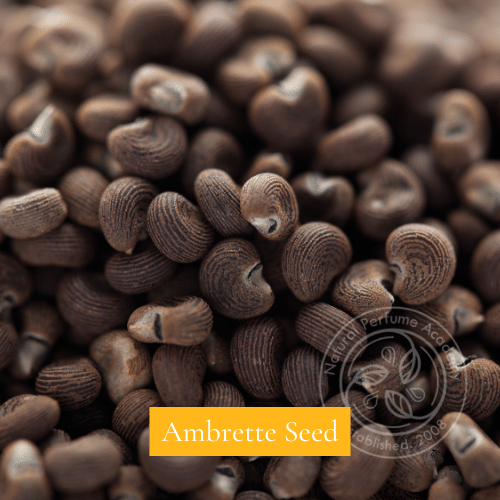
Title: Ambrette Seed Description: Ambrette seeds are derived from the plant Hibiscus Abelmoschus, also known as Abelmoschus moschatus. The seeds yield an essential oil prized in the world of natural perfumery for its unique aromatic properties and versatile uses. Extraction Methods: Ambrette seed essential oil can be obtained through various extraction methods, including steam distillation of the seeds, solvent extraction of the concrete, and tincture extraction. Each method yields different aromatic profiles and concentrations, offering perfumers a range of options for formulation. Aromatic Profile: Ambrette seed essential oil is characterized by its rich, musky, and slightly floral aroma, reminiscent of natural musk. It possesses a warm and sensual scent that blends seamlessly with a wide range of fragrance ingredients, including sandalwood, rose, and neroli. Fixative Properties: Ambrette seed is highly valued in perfumery for its excellent fixative qualities, which help to prolong the longevity and intensity of fragrances. It acts as a natural anchor, enhancing the overall scent profile and ensuring a lasting impression. Substitute for Animal Musks: Ambrette seed oil serves as a sustainable and ethical alternative to traditional animal musks, offering perfumers a cruelty-free option without compromising on fragrance quality or complexity. Its musky aroma adds depth and sensuality to perfumes, reminiscent of classic animalic notes. Exhalting Effect: Ambrette seed is renowned for its "exhalting" effect on perfumes, imparting a subtle and ethereal quality that elevates the fragrance composition. It adds a delicate touch of sophistication and refinement, enhancing the olfactory experience for the wearer. Versatile Application: Ambrette seed oil finds wide-ranging applications in natural perfumery, including as a base note, fixative, or standalone fragrance ingredient. Its versatility and compatibility with other botanical essences make it a prized component in artisanal perfumery formulations. Conclusion: Ambrette seed essential oil is a cherished ingredient in natural perfumery, valued for its distinctive aroma, fixative properties, and sustainable sourcing. As a cruelty-free alternative to animal musks, it exemplifies the principles of ethical fragrance creation while offering perfumers endless creative possibilities. |
Amyris Oil
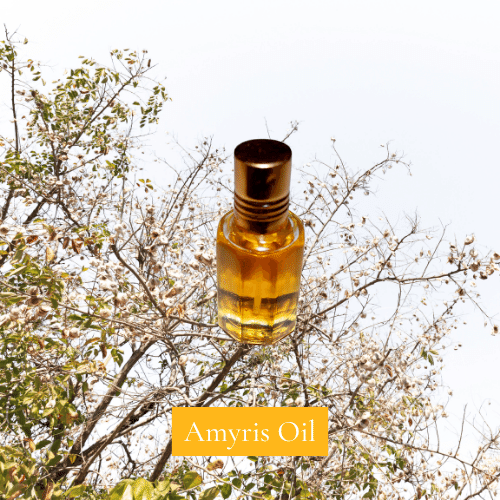
Title: Amyris Oil Botanical Name: Amyris Balsamifera Description: Amyris oil, derived from the wood of the Amyris Balsamifera tree, also known as West Indian Rosewood, is a valued ingredient in natural perfumery renowned for its distinctive aroma and versatile applications. Extraction Method: Amyris oil is obtained through steam distillation of the wood of the Amyris Balsamifera tree. This process yields a fragrant essential oil with a rich and complex olfactory profile. Aromatic Profile: Amyris oil possesses a woody and sweet aroma with a peppery top note, reminiscent of sandalwood. Its warm and inviting scent adds depth and complexity to fragrance compositions, making it a popular choice among perfumers. Versatile Applications: Amyris oil finds diverse applications in natural perfumery, serving as a valuable base note, fixative, or standalone fragrance ingredient. Its smooth and creamy texture blends seamlessly with other botanical essences, enhancing the overall fragrance profile. Sustainable Sourcing: The Amyris Balsamifera tree is native to the Caribbean region and is sustainably harvested for its wood, which is used to produce Amyris oil. This eco-friendly sourcing method aligns with the principles of ethical and responsible fragrance creation. Benefits: In addition to its aromatic qualities, Amyris oil is valued for its therapeutic benefits, including its calming and grounding effects on the mind and body. It promotes relaxation and emotional balance, making it a popular choice for aromatherapy and holistic wellness practices. Conclusion: Amyris oil is a prized ingredient in natural perfumery, cherished for its distinctive aroma, sustainable sourcing, and therapeutic properties. Whether used as a base note, fixative, or standalone fragrance ingredient, it adds depth, warmth, and character to fragrances, exemplifying the beauty of botanical essences in perfumery. |
Anethum Sowa
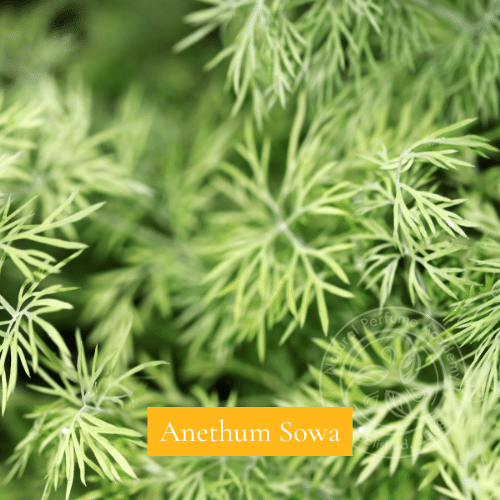
Title: Anethum Sowa Botanical Name: Anethum Sowa Description: Anethum Sowa, also known as Indian Dill, is a lesser-known botanical species cultivated primarily in India and Japan. The essential oil of Anethum Sowa is steam distilled from the fruit or seeds of the wild dill plant, yielding a unique aromatic profile distinct from its European and American counterparts. Aromatic Profile: Unlike European and American dill varieties, the oil of Anethum Sowa exhibits a distinctive aroma reminiscent of parsley rather than caraway. Its fresh, herbaceous scent possesses subtle nuances of green foliage and earthy undertones, adding a refreshing and aromatic dimension to fragrance compositions. Cultural Significance: While Anethum Sowa may be less prevalent in Western countries, it holds cultural significance in Indian and Japanese cuisine and traditional medicine. The aromatic properties of Anethum Sowa are valued for their culinary uses and therapeutic benefits, reflecting the rich botanical heritage of these regions. Therapeutic Benefits: The essential oil of Anethum Sowa is prized for its potential therapeutic properties, including digestive support, relaxation, and stress relief. In traditional Ayurvedic and herbal medicine practices, it is often used to alleviate gastrointestinal discomfort and promote overall well-being. Usage in Perfumery: Despite its relative obscurity in Western perfumery, Anethum Sowa offers intriguing possibilities for olfactory exploration and creative expression. Its unique aromatic profile adds depth and complexity to fragrance compositions, lending a fresh and herbaceous character to botanical blends. Conclusion: Anethum Sowa, or Indian Dill, stands out as a distinctive botanical species with a rich aromatic heritage rooted in Indian and Japanese cultures. Its unique olfactory profile, reminiscent of parsley and green foliage, offers perfumers a creative palette for crafting fragrances inspired by nature's abundance. Ref: Steffen Arctander; Perfume and Flavors of Natural Origin |
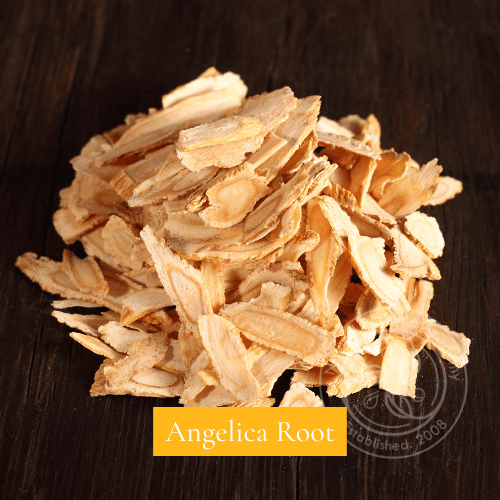
Angelica root |
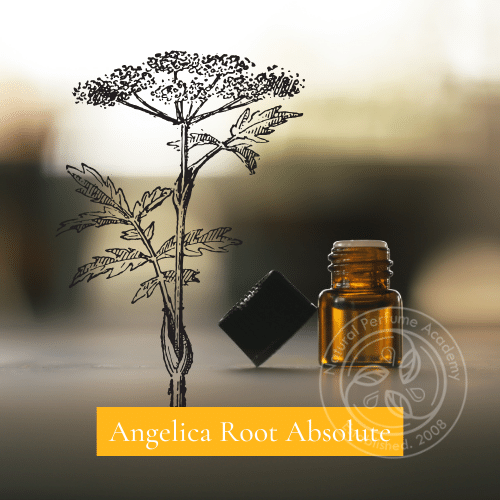
Angelica Root Absolute
Title: Angelica Root AbsoluteAngelica Root Absolute, derived from the Angelica archangelica plant, is a highly concentrated aromatic material esteemed in natural botanical perfumery. Its profound, earthy scent and historical significance make it a valuable addition to the perfumer's palette, evoking the rich traditions of antiquarian perfumery. Historical Context:The use of Angelica root dates back to ancient times, where it was revered for its medicinal and aromatic properties. Named after the Archangel Michael, who was believed to have introduced its benefits to humankind, Angelica root was considered a powerful protector against plagues and evil spirits in medieval Europe. Its roots, seeds, and stems were frequently used in herbal medicine, often seen as a universal remedy. Botanical Profile:Angelica archangelica is a biennial or short-lived perennial herb indigenous to northern Europe and Asia. It flourishes in moist soil, particularly in cooler climates. The plant can grow up to 2.5 meters tall and features large, divided leaves and umbels of small, yellow-green flowers. The roots, harvested typically in their second year, are the source of the aromatic compounds used to produce the absolute. Extraction and Olfactory Characteristics:Angelica Root Absolute is obtained through solvent extraction of the dried roots, yielding a thick, dark brown to amber substance. It possesses a rich, complex aroma profile. The fragrance starts with a fresh, herbaceous top note, transitioning into a warm, woody, and slightly peppery heart, and settling into a deep, musky, and earthy base. This layered scent profile makes Angelica Root Absolute a prized ingredient in the creation of sophisticated, natural perfumes. Uses in Natural Botanical Perfumery:In the realm of all-natural botanical perfumery, Angelica Root Absolute is cherished for its ability to add depth and nuance to fragrance compositions. Its earthy, grounding aroma enhances both the longevity and complexity of perfumes. Perfumers often blend it with citrus, woody, spicy, and other root notes to craft rich, evocative scents reminiscent of ancient herbal apothecaries and traditional botanical gardens. Cultural and Symbolic Significance:Angelica Root Absolute carries a deep cultural and symbolic heritage. Traditionally associated with protection, healing, and divine intervention, it was believed to ward off disease and negative energies. This historical lore continues to imbue modern perfumery with a sense of mystical and spiritual depth, making it not only an aromatic ingredient but also a symbol of ancient wisdom and protection. Summary:Angelica Root Absolute (Angelica archangelica) is more than a component in natural perfumery; it is a conduit to the past, encapsulating centuries of botanical expertise and aromatic tradition. Its distinctive, multifaceted scent and rich historical associations continue to captivate contemporary perfumers, preserving the essence of antiquarian perfumery in modern creations. |
Animalic |
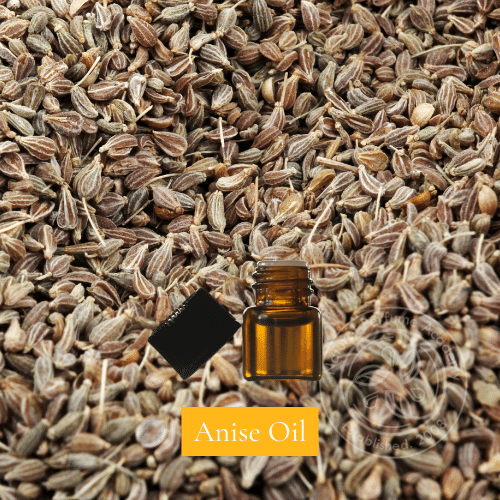
Anise
Title: Anise Oil Description:Anise oil, used in natural perfumery, is primarily extracted from the star anise (Illicium verum). Although it is sometimes confused with aniseed oil derived from the anise plant (Pimpinella anisum), star anise oil is the preferred source in perfumery. The oil is typically sourced from Poland or Russia. Characteristics:Anise oil has a sweet, spicy, and licorice-like aroma. This distinctive scent is often associated with licorice, not because it naturally smells like it, but due to its historical use as a flavoring for licorice candy. Similarly, vanilla is often described as having a chocolate-like aroma because of its frequent combination with chocolate in various applications. Aromatic Profile:- Top Notes: Sweet, spicy, and slightly fruity - Middle Notes: Warm, licorice-like - Base Notes: Mildly woody and herbaceous Uses in Perfumery:Anise oil is valued for its unique sweet and spicy profile, making it a versatile component in various types of fragrances. It is often used to add a distinctive twist to compositions, lending an intriguing complexity to the overall scent. Blends Well With:- Citrus Oils: Lemon, orange, and bergamot - Spices: Clove, cinnamon, and nutmeg - Herbs: Basil, fennel, and lavender - Florals: Jasmine and rose - Resins: Frankincense and myrrh
Perfume Types:Anise oil is commonly used in: - Oriental Perfumes: Adds a spicy, exotic note - Gourmand Perfumes: Enhances sweet, edible fragrances - Fougere Perfumes: Contributes to the aromatic and spicy facets - Floral Perfumes: Provides depth and a spicy undertone
Historical and Cultural Context:Anise oil has been used for centuries in various cultures, not only in perfumery but also in traditional medicine and culinary applications. Its licorice-like scent has made it a popular choice for flavoring confections and beverages. References: Steffen Arctander; Perfume and Flavor Materials of Natural Origin.
|
Anosmia |
Araucaria |
Arnica |